Keep shopping for

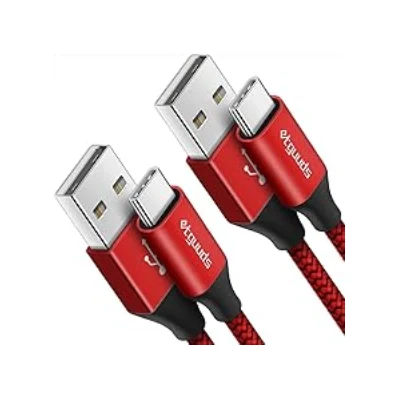
Red charging cables
Phone chargers
Trust signal check

Green athletic shoe
Running shoes
Authenticity cues
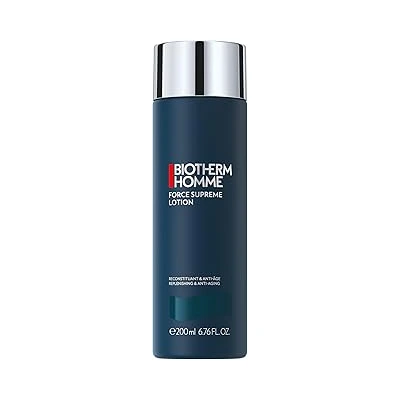
Blue skincare bottle
Skincare
Packaging confidence
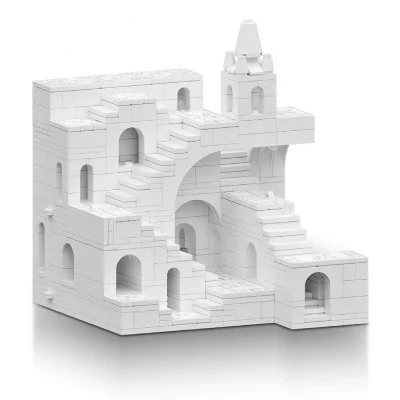
White building block toy
Toy sets
Customer assurance
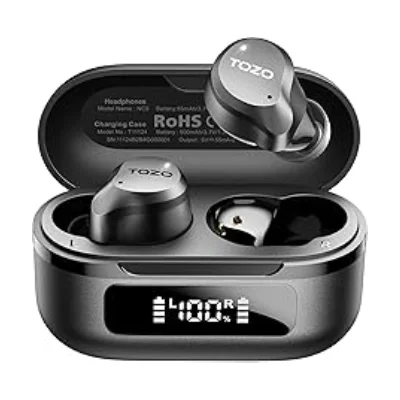
Black wireless earbuds
Wireless earbuds
Verification moment
Amazon UX case study

Amazon Transparency

Amazon Transparency helps brands reduce counterfeit risk, build customer trust, and create a more verifiable product experience across the purchase and post-purchase journey.
Senior product design Trust + authentication Customer, seller, and operations UX
Featured case study
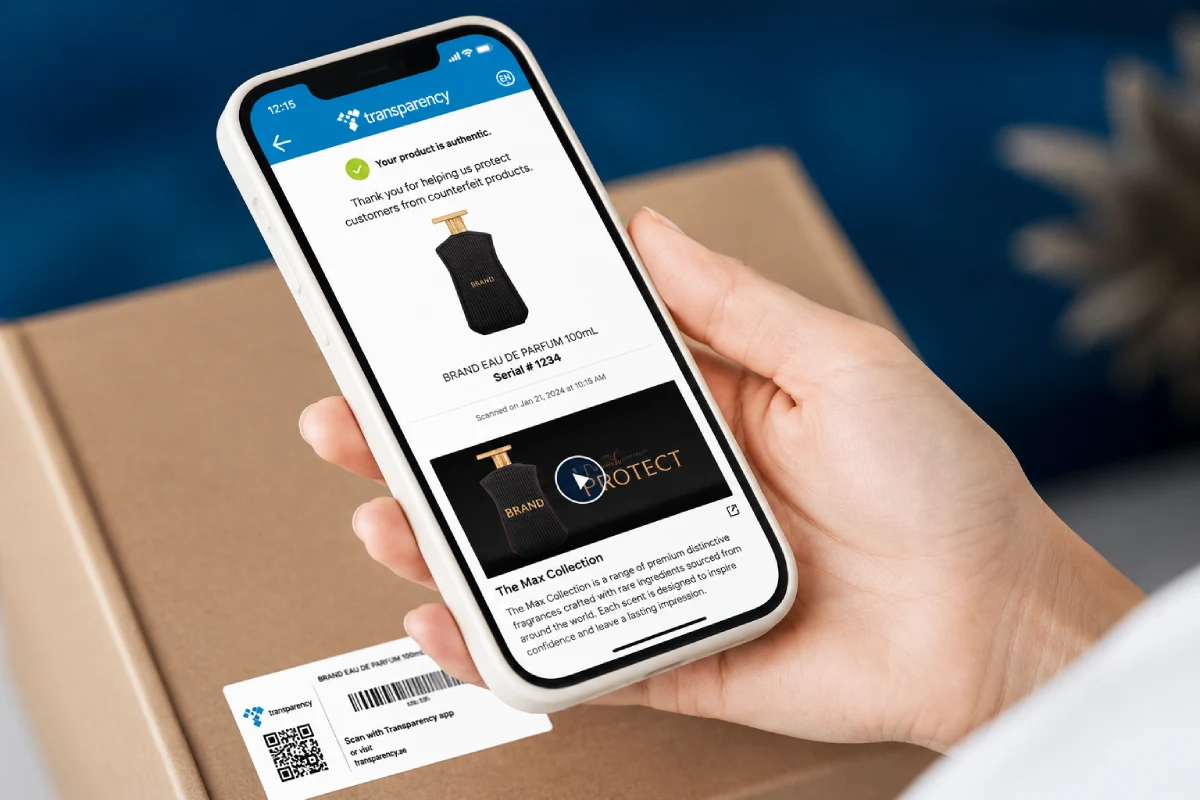
Amazon Transparency mobile verification experience shown on a phone
Product authenticity signals across shopping and post-purchase flows.
6%
Decrease in customer returns for enrolled products.
2%
Increase in purchase rates through stronger trust signals.
2x
Expected growth in Transparency code scans.
350+
UserTesting sessions across the US, UK, and Germany.
Role + ownership

Sole UX designer across a complex authentication ecosystem.

Transparency portal
Designed the web experience brands used to onboard products, order and print Transparency codes, access dashboards, and manage operations.
Brand tools
Seller Central
Extended seller workflows with Transparency authentication features that fit into existing Amazon selling patterns.
Seller UX
Fulfillment Centers
Designed authentication tools embedded in internal warehouse systems where speed, clarity, and accuracy were essential.
Internal tools
Amazon.com + Amazon Lens
Integrated Transparency into customer touchpoints including detail pages, trust messaging, and scan-based verification.
Customer UX
Problem

Low awareness and weak trust signals.

Transparency had a strong anti-counterfeiting promise, but that value was not obvious enough in the customer experience.

The challenge was to bring meaningful trust signals into high-visibility moments without adding friction or confusion. I helped define the language, flows, and visual treatments needed to make the program understandable, credible, and worth engaging with.

Research + discovery

From landscape analysis to customer validation.

Research clarified how trust should be introduced, explained, and reinforced over time.

Competitive analysis
Reviewed anti-counterfeiting and verification patterns to understand trust-building language, iconography, and call-to-action design.
Landscape
Lean Canvas framing
Structured assumptions with Product to turn a broad anti-counterfeiting initiative into testable design decisions.
Strategy
UserTesting validation
Ran 350+ unmoderated and 6 moderated sessions across the US, UK, and DE to test comprehension, clarity, and the value of Amazon Lens.
Research
Artifact

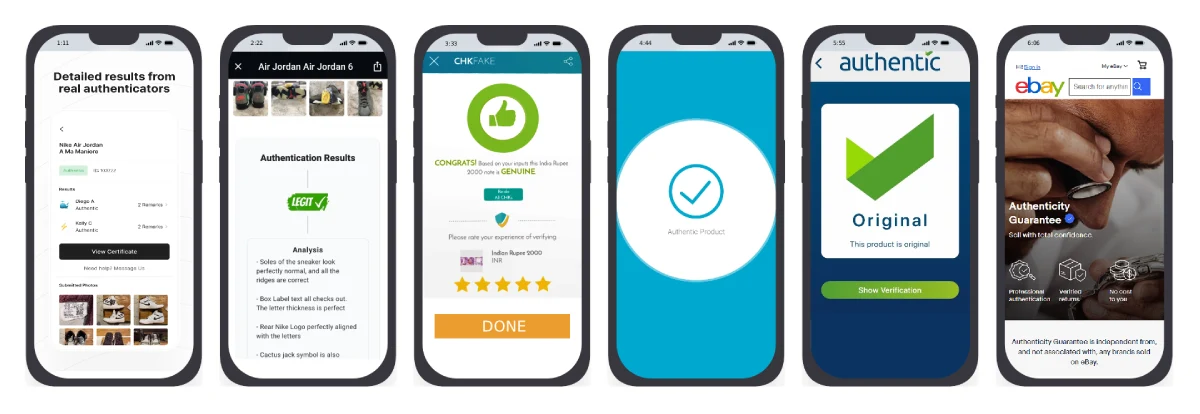
Landscape + themes

A common pattern across the analysis was the use of familiar iconography and similar color palettes to build trust with users.
Artifact

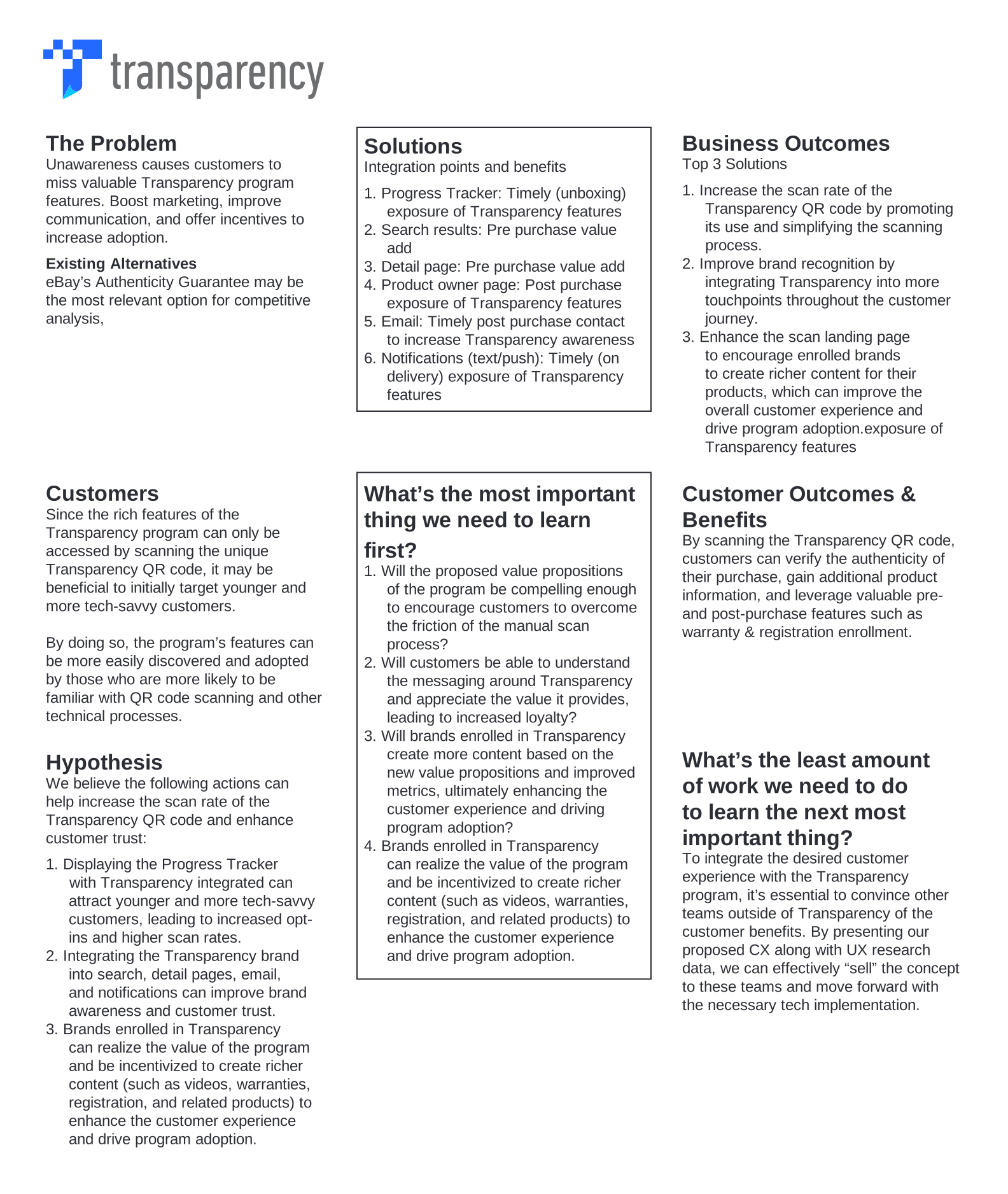
Lean Canvas

Lean Canvas helped the team align around assumptions, opportunity framing, and testable design decisions.
Design process

Prototypes turned strategy into something teams could evaluate.

Customer flows
Created flows that introduced product authentication without interrupting the shopping journey.
Flow design
Content strategy
Refined language after learning that “Verify with Transparency” was too vague without progressive explanation.
Trust messaging
Amazon Lens
Explored scan-based verification experiences that helped customers confirm authenticity when proof mattered most.
Mobile CX
Prototype

Flow diagram

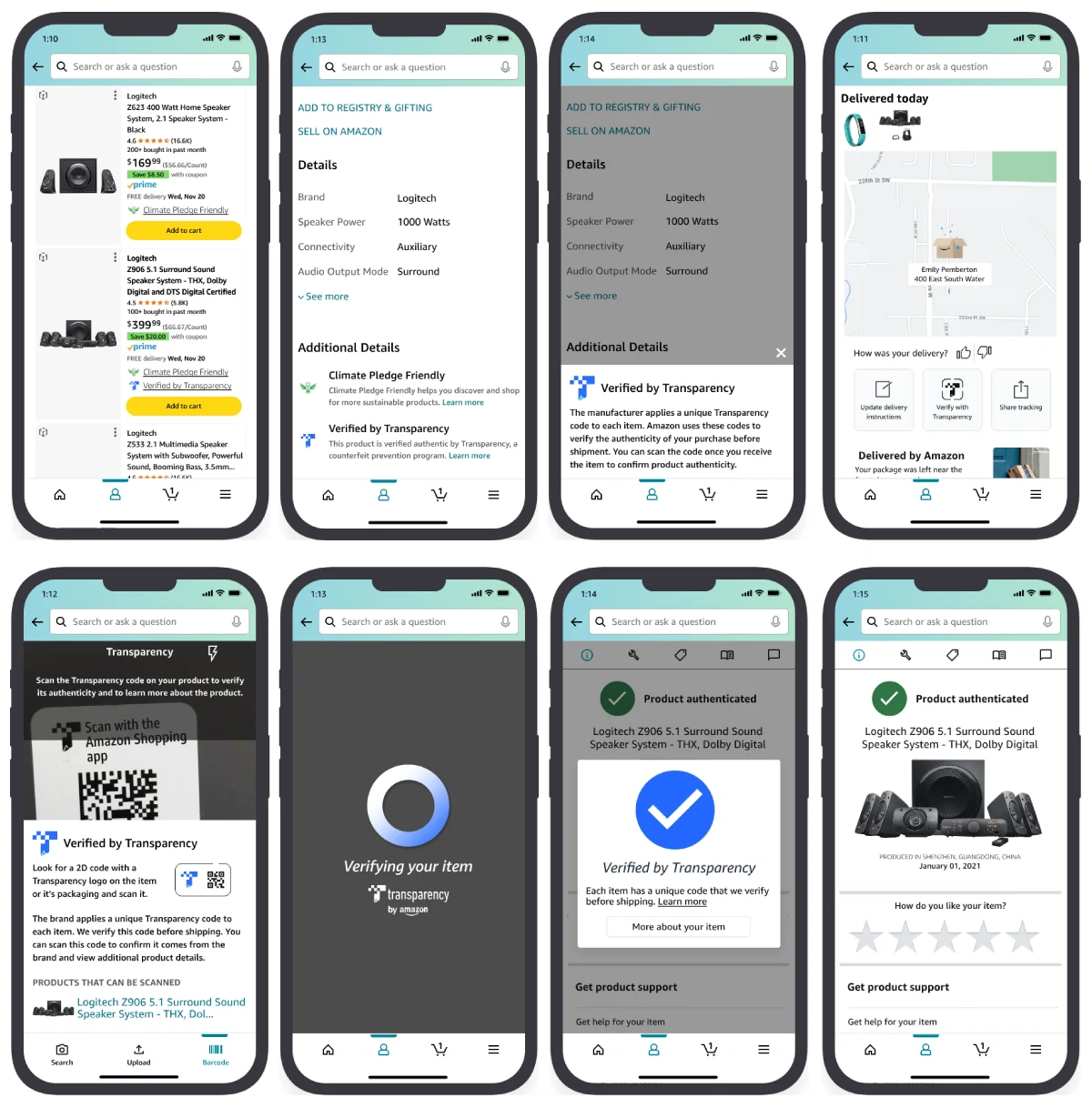
Mapping the flow helped clarify how customers moved from product discovery to verification.

Final screens

Customer-facing touchpoints

Final designs emphasized clearer explanations, accessibility, iconography, and alignment with Amazon design system branding.
Media + references

Research prototypes and artifacts

Video

Customer interview highlights

Edited clips from six customer interviews used to evaluate Transparency messaging, scan expectations, and post-authentication value.

Validation + insights

The language had to earn trust before the feature could.

The strongest finding was that the initial message, “Verify with Transparency,” was too vague on its own.

Once participants saw progressive explanation and understood how the program could help them verify a product, sentiment improved significantly. That insight shaped the final content strategy and how the experience introduced value over time.

“The scanner is excellent for verification purposes and offers additional opportunities for future enhancements.”
“It’s compelling when there’s a problem, and I need proof to decide if I need to escalate the issue.”
Research tools

Research methods matched the question.

UserTesting.com
Moderated interviews, unmoderated surveys, prototype walkthroughs.
Qualtrics
Complex branching surveys and studies requiring statistical significance.
Eye tracking
Used to compare stated preferences with actual behavior.
In-person sessions
One-on-one interviews and roundtable discussions.
Impact

Improved trust signals in moments that mattered.

Search, Detail, Progress Tracker, Amazon Lens, and content design improvements contributed to measurable gains for products enrolled in the Transparency program.

By making the program easier to understand and more credible in context, the experience helped strengthen trust signals and improve customer behavior in key moments of the journey.

Back to work